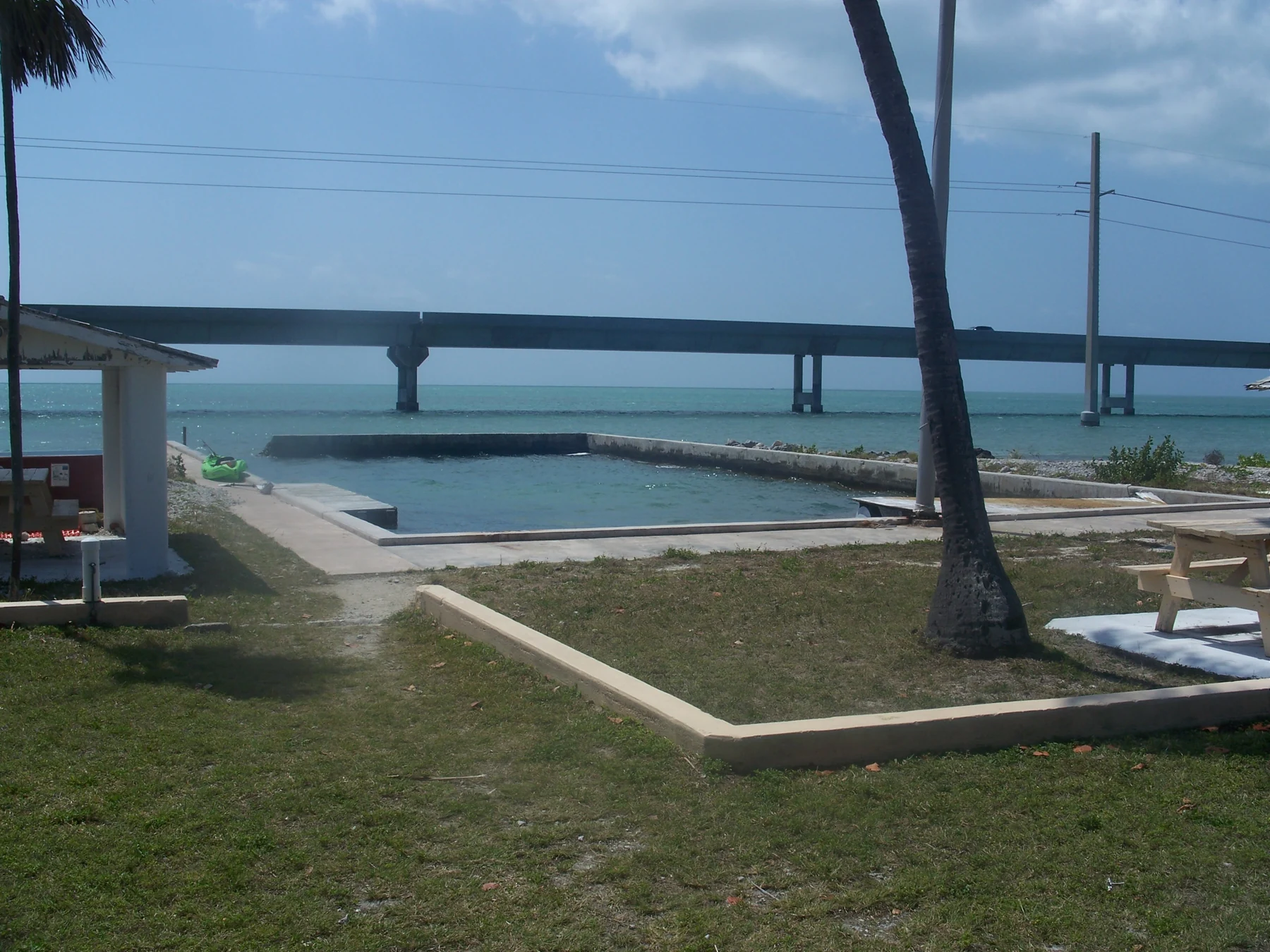

Share the space thoughtfully
Old Seven is a public recreation route with different paces: walkers, runners, cyclists, families and visitors stopping to take in the view. Leave room to pass, keep children close near the edge, and treat the route as a shared path rather than a private photo set. Do not climb barriers or enter unrestored sections of the old bridge.
The Florida Keys environment changes quickly. Heat, reflected sun and wind can turn an easy-looking walk into a tiring return. Carry water and use current local weather information rather than assuming the conditions at the parking lot describe the entire route.
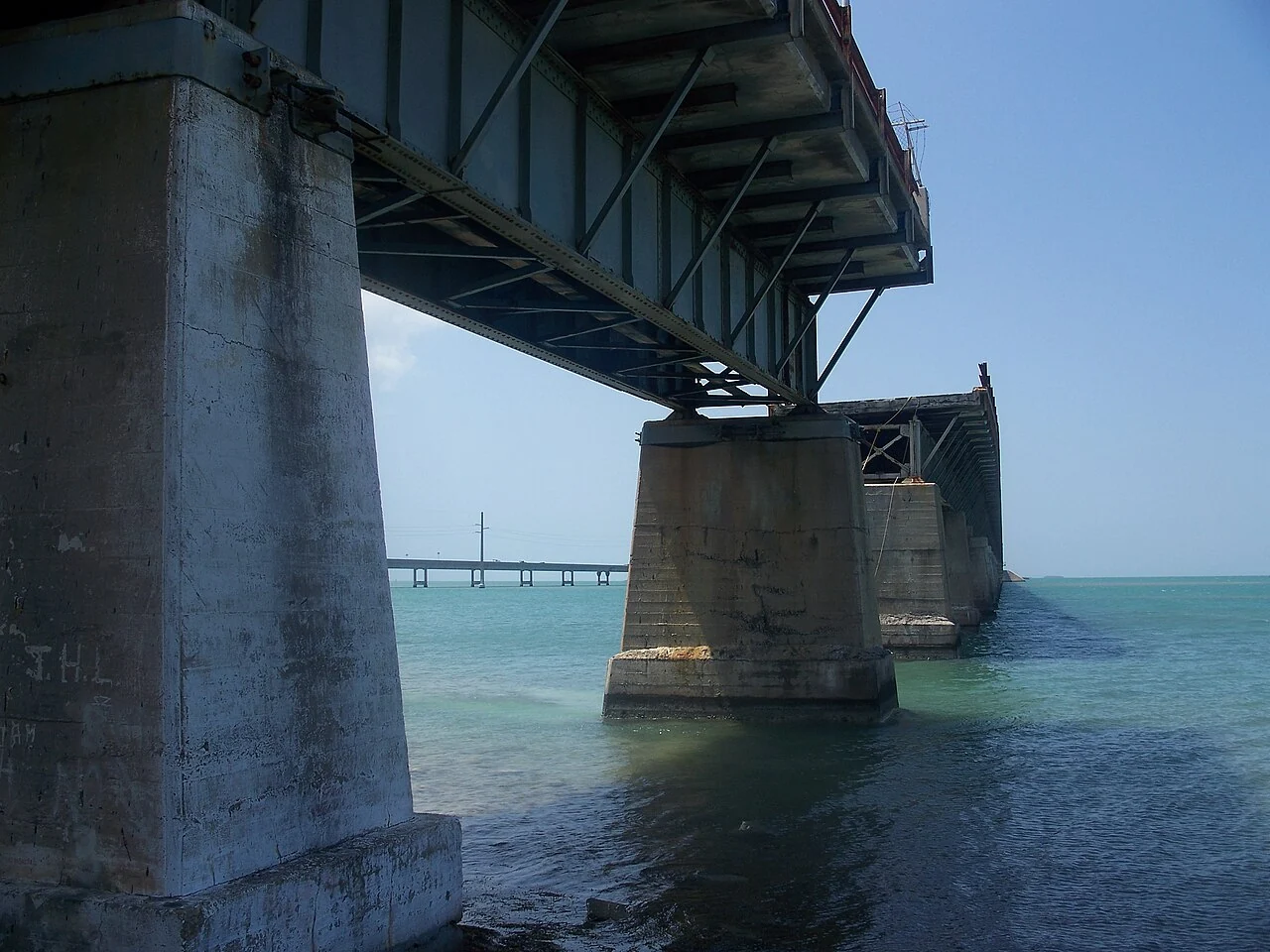

Observe, don't intervene
You may see birds or marine life from the bridge, but sightings are not a promised attraction. Keep a respectful distance and never feed wildlife.
Take photographs safely
Use the recreational span or legal land-based stops. The active U.S. 1 bridge is not a place to pull over for an image.
Visit with context
The old structure and Pigeon Key tell a story of railroad workers, storms and transport change. A guided island visit can add detail beyond the view.
Where to verify the details that change
This site does not operate the bridge, maintain parking areas or set Pigeon Key admission. For current island tours and access, use the Pigeon Key Foundation. For an overview of the restored span, use the Florida Keys tourism guide. For Bahia Honda conditions, use Florida State Parks.
Make observations useful to the next visitor
A useful travel note distinguishes what happened on one visit from what is normally available. “The lot was full when we arrived” is an observation; “there is never parking” is a much broader claim. “We saw a turtle” does not mean everyone will. This distinction matters around Seven Mile Bridge, where a short visit, a particular tide or one weather pattern can strongly shape an impression.
When keeping your own notes, record the date, the part of the bridge you visited and how you arrived. Note whether a price came from a current booking page or an old sign. For a closed route, record the wording of the official notice rather than guessing why it is closed or when it will reopen. Clear context makes an experience helpful without turning it into an unreliable rule.
This page is an editorial visitor notebook, not a revived members' forum. It does not invent conversations, local endorsements or visitor reviews. The focus is on decisions that are useful before a visit: how to share the path, interpret photographs, choose official sources and know when to change a plan.
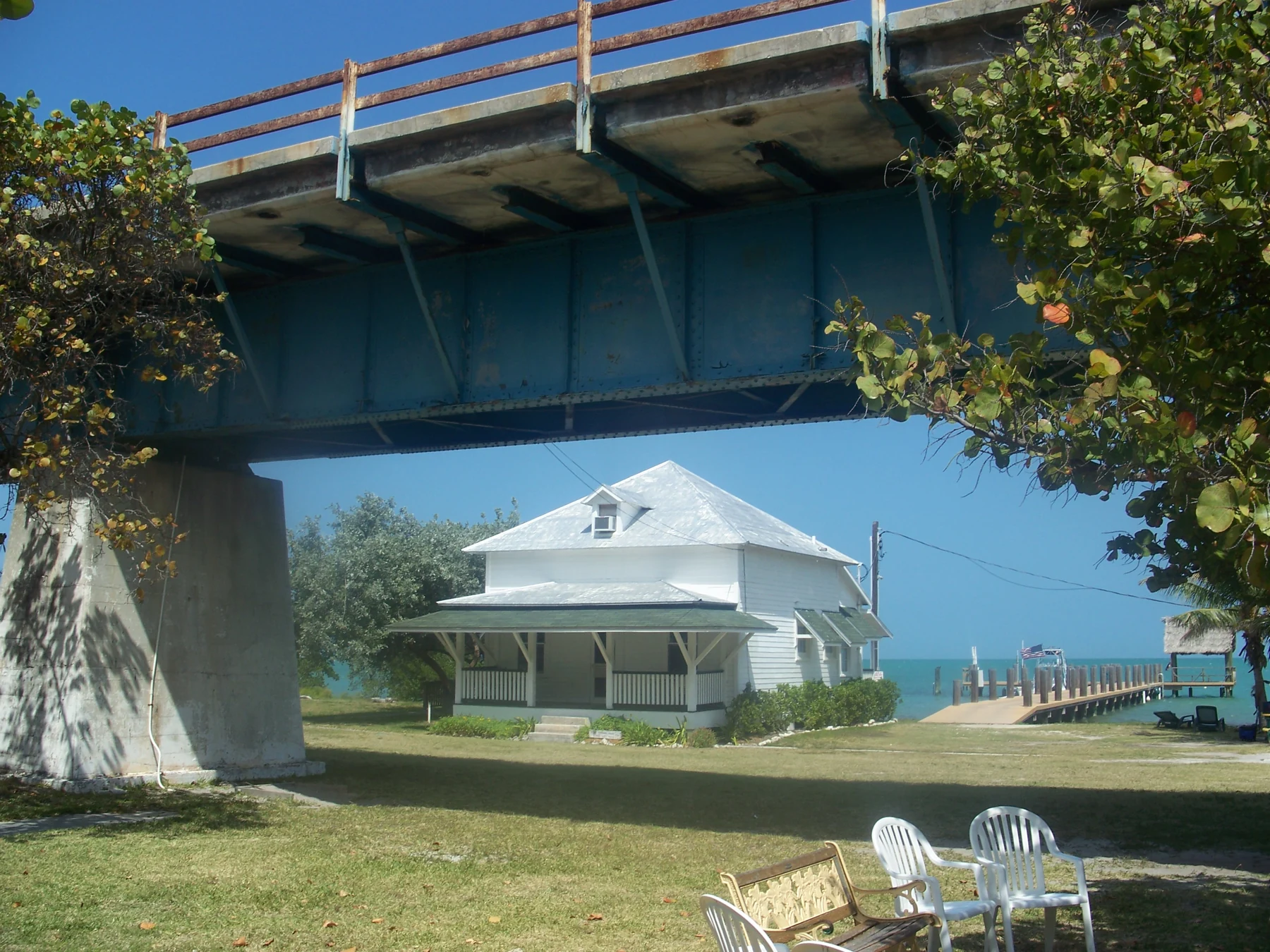

A photograph should not become an obstacle
Before stopping, look behind you. Move aside within the permitted area and keep bags close. If taking a group photograph, organise it without spreading the group across the full route. A wide-angle lens may let you include the bridge and water without stepping farther into a passing line. A tripod is never a reason to obstruct others.
Give walkers, runners, cyclists and authorised transport predictable space. Avoid sudden sideways movement while looking through a camera. Children may be absorbed by the view over the railing; keep them close enough to respond to someone approaching. A quiet instruction made early is more useful than a shouted warning when the path is already crowded.
Respect private and operational spaces on Pigeon Key as well. A building may be part of the historic setting while also serving staff, research or educational groups. Follow the visitor route and ask before photographing people at close range. The opportunity to make an interesting image does not remove their privacy.
Observe without manufacturing an encounter
Look patiently from a safe place. A zoom lens or binoculars can make a distant bird or animal easier to observe without approaching it. Do not throw food into the water, tap or lean over barriers to provoke a response, or pursue an animal because it has moved beyond the most convenient viewpoint.
For photographs, include enough setting to explain where the sighting occurred without implying a closer encounter than you had. An indistinct shape under water is not a reliable species identification. If unsure, keep the description general. A beautiful scene remains useful even when the animal cannot be named confidently.
Wildlife sightings are not guaranteed components of a visit. Conditions, visibility and chance all matter. Planning the day around the walk, the history or the landscape produces a more dependable experience than promising children a specific animal that may not appear. An unexpected sighting can then remain a bonus.
Use the source that is responsible for the decision
For island tickets and transport, use Pigeon Key's tour information. For trail notices and a longer cycling route, use Florida State Parks. For road traffic, use Florida 511. A general tourism article is helpful for orientation, but it cannot replace the organisation responsible for a specific service.
Read dates as well as headlines. A page about reopening may describe an event years ago; an undated map may predate a repair project. Equally, a historical closure does not establish that a route is closed today. When sources disagree, identify which fact is in dispute and ask the operator if that fact determines whether your plan will work.
Weather deserves its own check. A live webcam shows one angle at one moment, not the full forecast or conditions along the entire route. Use the National Weather Service Key West office for local forecasts and warnings. Adjust the visit before setting out instead of relying on a photograph of blue skies.
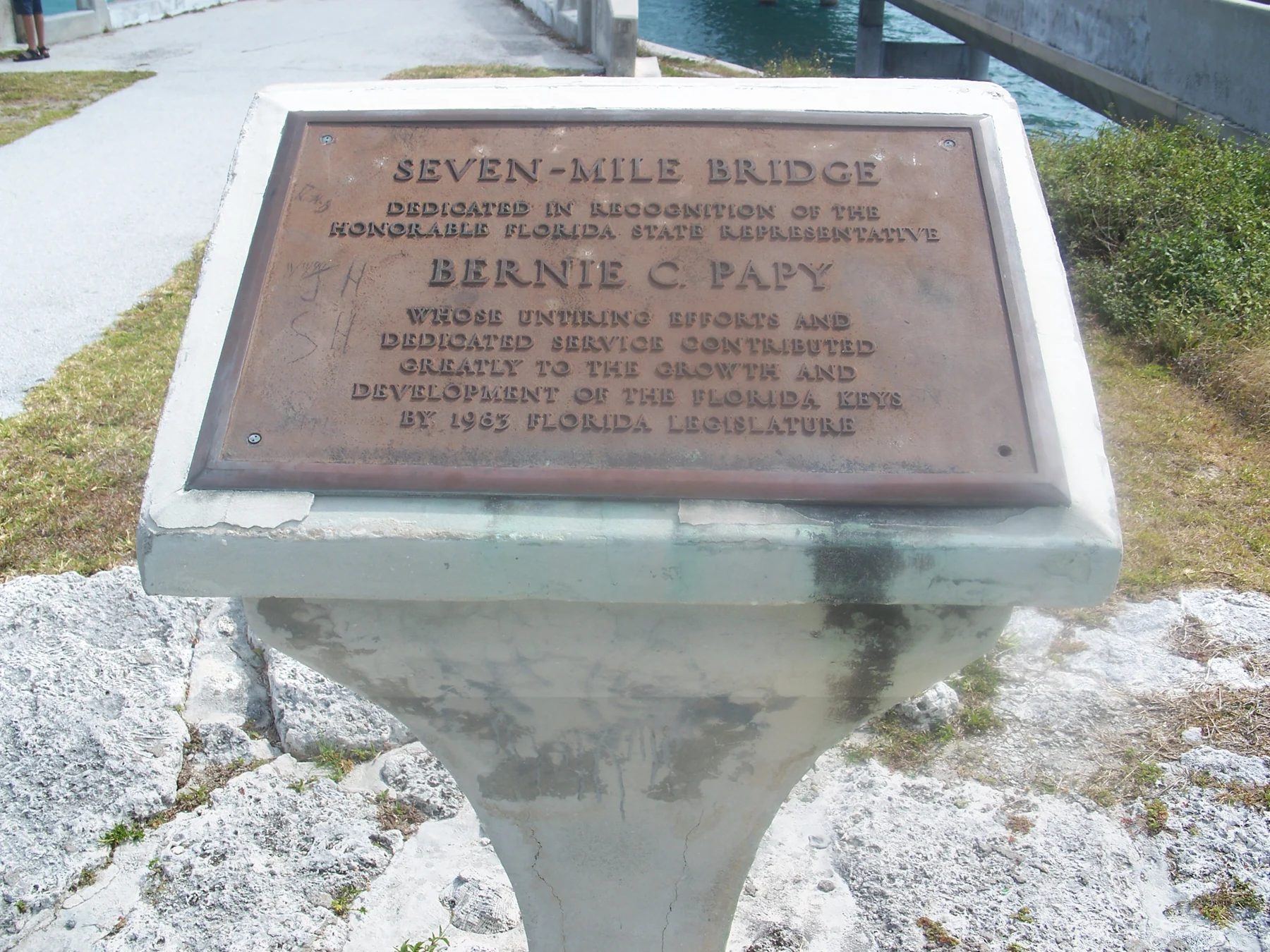

Five different subjects are better than five repeated frames
Try making a small sequence with a purpose: an establishing view of the water and crossing; a detail of the historic structure; a building or landscape that explains the island; a view showing the contrast between old and new infrastructure; and a quiet observation of light, weather or daily use. Each image then contributes something different.
There is no requirement for every photograph to be a perfectly empty, saturated postcard. Cloud, weathered materials and the ordinary scale of a building can make a place more recognisable. Avoid editing out safety barriers or changing the apparent route in an image used to give practical visitor advice. The picture should not suggest access that the text correctly says is unavailable.
Keep the date and location with your own files. Years later, those details make the images useful for comparison. If publishing someone else's photograph, follow its actual licence, retain the required credit and do not imply that the photographer endorses your guide. The credited documentary photographs here preserve their original dates for that reason.
Be a guest in a working landscape
Carry litter out, secure lightweight packaging and avoid leaving fishing line or other material near wildlife. Do not collect pieces of a structure as souvenirs or attach locks, stickers or messages to historic surfaces. Preservation is not only a large construction project; it also depends on many small decisions by visitors.
Keep noise and group size in mind near other visitors and operational buildings. Allow someone to enjoy the view without appearing in your close-up photograph. If an area is roped off or a staff member redirects visitors, follow that instruction even if an older picture shows people elsewhere.
For a first visit, the location and access guide helps you choose an arrival point. The Old Seven guide explains the walk, and the Pigeon Key guide explains the island. The most useful plan is the one that leaves you enough time and energy to notice the place while respecting how it functions today.
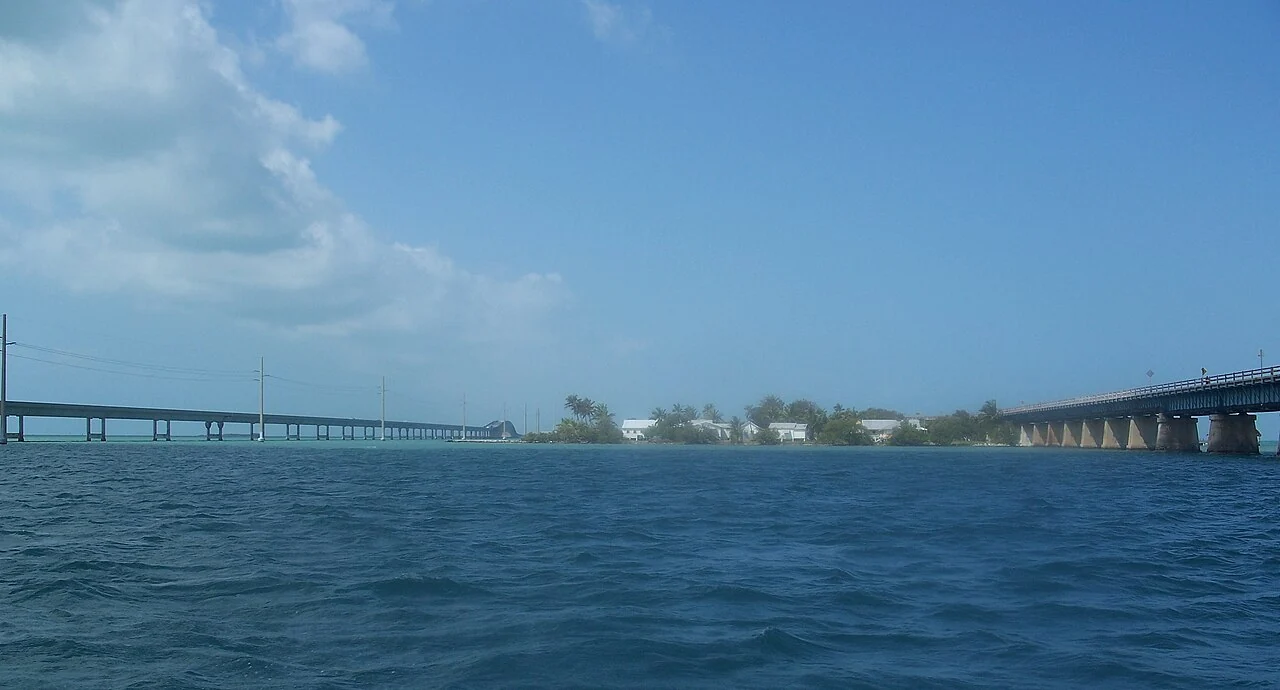

A convincing image is not a complete description
A photograph tells you what was inside the frame at a particular moment. It usually does not tell you the rules at the entrance, the length of the return journey, whether the photographer used a long lens, or what lies immediately outside the frame. Those omissions are normal, but they matter when using an attractive image to plan a visit.
Look for the date and the source. A picture from before a restoration may be valuable historical evidence while being poor practical guidance. A tightly framed island building may appear isolated even though the bridge is just beyond the edge. A telephoto view can compress distance so that structures seem much closer together. None of these effects needs to be deceptive; they simply require context.
When you make your own photographs, keep one wider frame as well as the dramatic detail. The wider image can help you remember the relationship between the path, the shore and the building. A simple note about where you stood is often more useful later than a second version with stronger colour or contrast.
How to write a useful note after your visit
Start with the basics: when you visited, whether you walked or rode, how far you went and which official source you used for arrangements. Then describe what helped and what you would change. A note such as “We needed more time between parking and check-in” is more actionable than “Everything was confusing”, because another visitor can build that allowance into a plan.
For prices and schedules, link to the operator rather than copying a number without a date. For a closure, identify the specific section instead of declaring the entire bridge closed. For an accessibility observation, describe the feature you encountered rather than making a universal judgement about who can visit. Specific information is both more respectful and more useful.
Do not reproduce another visitor's private details, an identifiable child or a staff member's personal contact information in a public account. Public business contact details and official visitor pages are sufficient for most practical advice. A travel note should help people understand the place, not expose people who happen to be there.
A shared visit does not require an identical experience
One person may be interested in engineering, another in wildlife and another mainly in a comfortable break from driving. Choose a common starting point and a modest shared activity, then decide whether there is room for separate interests. Agreement before arrival is easier than negotiating after a long hot walk.
For a group with a photographer, discuss how much time will be spent waiting for light or composing frames. For a history enthusiast, protect time for the museum or guide. For someone who prefers a shorter walk, agree a comfortable return plan without treating the shorter distance as an inferior visit. The setting offers several worthwhile experiences, not a single route everyone must complete.
If splitting up, share the exact meeting place and the time. Distinguish the visitor centre from the island and the old bridge entrance from the modern highway crossing. Clear names prevent a surprisingly common problem: people saying “meet at the bridge” while meaning different places.
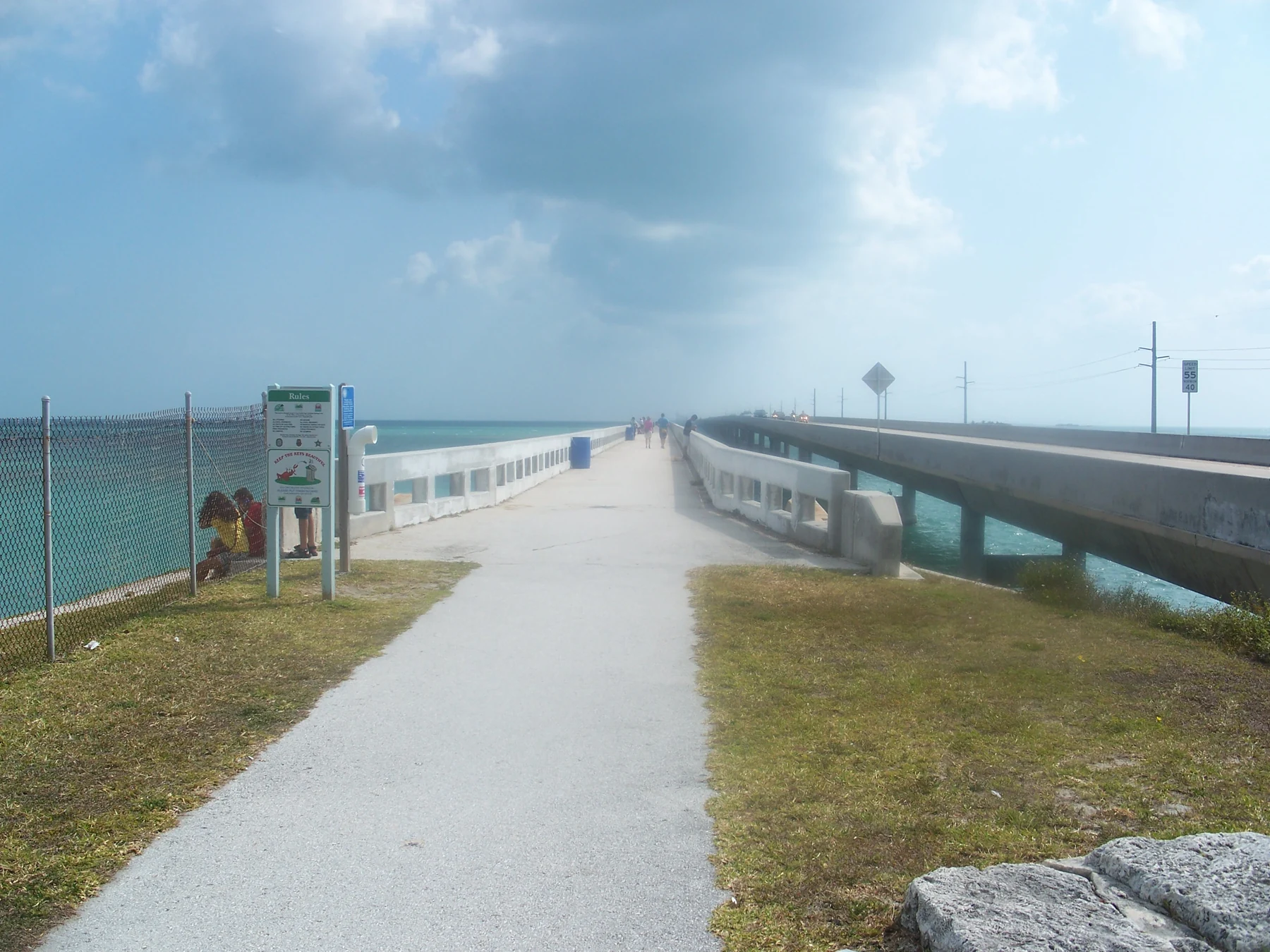

Keep a short record, not a permanent assumption
After the trip, save the useful observations with a date. Keep the source links, a small set of representative photographs and one or two things you would do differently. There is little value in preserving every duplicate frame or every outdated timetable screenshot if the important detail becomes difficult to find.
Before returning, recheck the arrangements instead of assuming they are unchanged. A familiar place can have a different transport schedule, repaired entrance or temporary restriction. Your previous experience is a useful starting point, but current operator information still matters. This approach lets you benefit from what you learned without turning an old visit into an unreliable promise.
A bridge name is not a fishing permit
“Bridge fishing in the Florida Keys” covers many different places. Some historic bridges have designated fishing facilities; others have closures or access restrictions. A search result attached to Seven Mile Bridge does not tell you which exact platform, bank or stretch a writer meant. Identify the location before treating somebody else's catch photograph as advice.
Use the state park service's current fishing information and trail notices, then follow the signs at the site. Check the applicable licence, species, season and equipment rules with the responsible authority. This guide does not establish permission to fish from the restored walking span or replace current fishing regulations.
Where fishing is permitted, keep hooks, lines and equipment clear of passing people and wildlife. Do not cast over a shared walking line or leave discarded tackle behind. If there is insufficient room to use a spot without obstructing others, choose a different permitted location. A popular scenic route needs to function for more than one activity.
Pigeon Key's own visitor rules are separate from the wider trail. Its FAQ specifies catch-and-release fishing from the dock and prohibits fishing in the saltwater pool. Those are island-specific statements, not a rule for every bridge nearby. Keeping the places and their operators distinct is the simplest way to avoid misleading advice.